Recent flooding in Bornu has once again spotlighted the vulnerability of Nigerian communities to natural disasters. The devastating aftermath, including the tragic loss of lives, homes, and livelihoods, has left many asking a critical question: Who is to blame for this catastrophe? While it might be convenient to dismiss this as an act of nature, a closer examination reveals a more complex interplay of negligence, systemic failures, and an almost callous disregard for the sanctity of Nigerian lives.
The Remote and Immediate Causes
Flooding in many parts of Nigeria is not a new phenomenon. However, the Bornu flooding was exacerbated by the collapse of the Alau Dam, a key piece of infrastructure that had long been in a state of disrepair. Constructed in 1987 to provide water for irrigation and domestic use, the dam’s maintenance has been woefully inadequate over the years, leading to its eventual failure.
So, what went wrong? The immediate cause is clear: the dam, designed to protect against such calamities, failed to serve its purpose. But to stop there would be to overlook the deeper, systemic issues that led to this failure.
Systemic Negligence: A Deeper Look
Delving deeper, it becomes apparent that the issue is not just about a single dam’s collapse but about a broader pattern of negligence and systemic failure. Nigeria’s Federal Ministry of Water Resources, which is responsible for the oversight and maintenance of dams across the country, had been warned about the dam’s deteriorating condition. Reports from reputable sources like the Nigerian Hydrological Services Agency (NHSA) have consistently highlighted the need for urgent repairs and maintenance of key infrastructure to prevent disasters.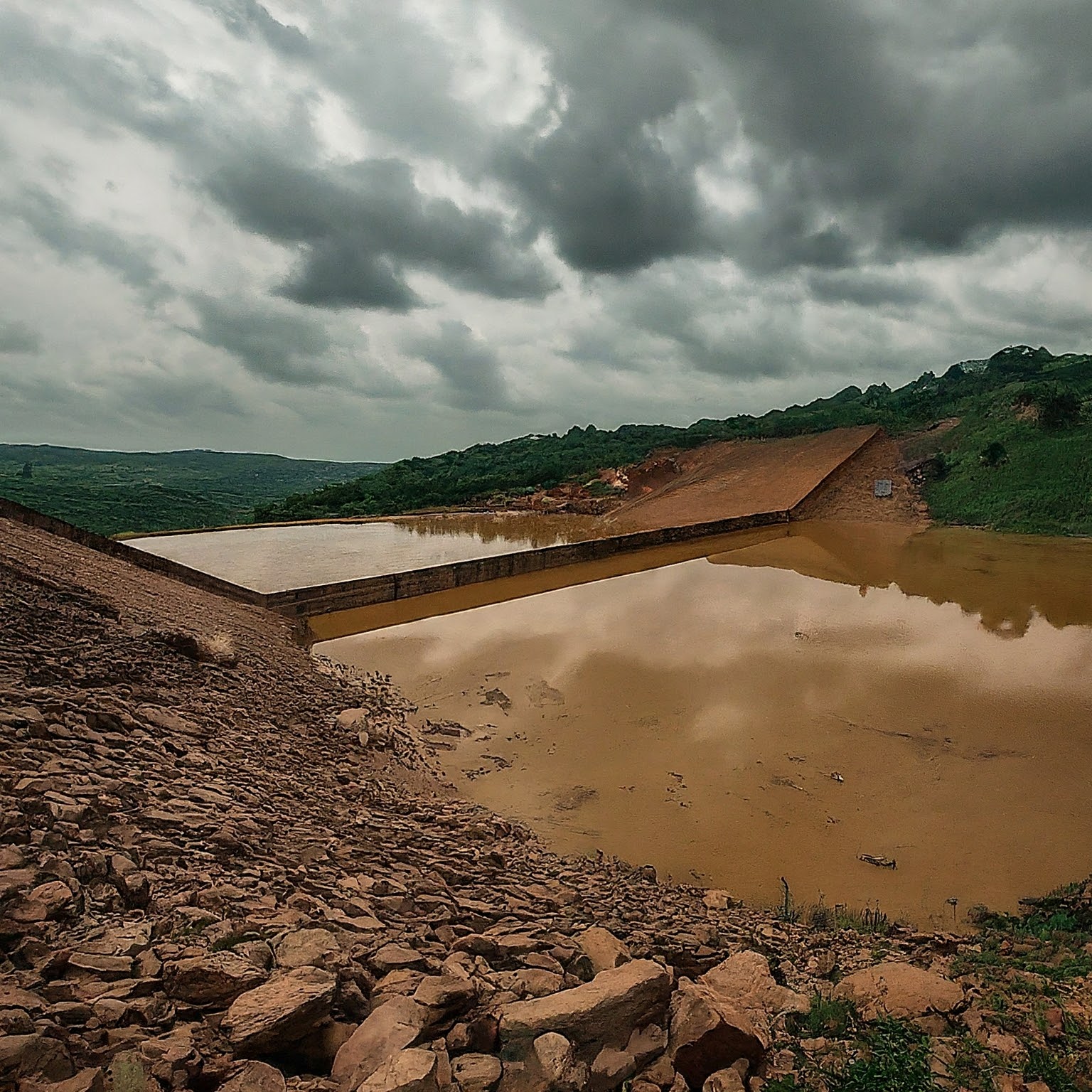
Budgetary Allocations and the Cost of Neglect
It’s not that there was a lack of awareness or resources to address the dam’s condition. Multiple reports, including those from BudgIT and Premium Times, indicate that funds have been allocated annually for dam repairs and maintenance. In some instances, these allocations have run into billions of naira. For example, in the 2020 fiscal year, the federal government earmarked approximately ₦18 billion for water resources management, including the repair of dams and related infrastructure.
So, where did this money go? This is where the trail of accountability goes cold. While some argue about bureaucratic delays and the complexity of executing such projects, the truth often involves corruption, mismanagement, and a lack of accountability. The Independent Corrupt Practices Commission (ICPC) and other anti-corruption bodies have noted cases where funds meant for infrastructural projects were either diverted or poorly managed. In the case of the Alau Dam, these systemic failures converged to create a disaster waiting to happen.
The Human Cost: Casualties and Destruction
The true tragedy of the Bornu flooding lies in the human toll it has taken. According to the National Emergency Management Agency (NEMA), the flooding resulted in the deaths of 37 individuals and displaced over 414,000 people, with 58 people sustaining injuries. Additionally, hundreds of houses and thousands of hectares of farmland have been destroyed, impacting the livelihoods of countless families. Reports from sources like Premium Times have detailed the extensive nature of the destruction, including damages to essential infrastructure like bridges and access to services like hospitals and schools.
The Value of the Average Nigerian Life
Here lies a more troubling aspect: the recurring tragedies of flooding in Nigeria starkly expose how the lives of ordinary citizens are often undervalued. Each loss, whether of life or property, should prompt a national reckoning. Yet, too often, the cycle of disaster-response-forgetfulness continues unabated. The government’s typical response—a flurry of promises, a burst of emergency relief measures, and then silence—reflects a deeper systemic apathy.
Lessons Learned
The Bornu flooding is a grim reminder of Nigeria’s struggle with both natural and man-made disasters. From building collapses to oil spills, the recurring theme is systemic failure in planning, maintenance, and response. What can we learn from these recurring tragedies?
1. Infrastructural Maintenance: The Bornu incident emphasizes the dire need for regular maintenance of key infrastructure. The collapsed dam, like other neglected structures across the nation, is a testament to the consequences of deferred maintenance.
2. Proactive Planning and Risk Management: Many disasters, including the recurrent flooding in Lagos and Anambra, point to inadequate urban planning and lack of effective risk management. Proper zoning, environmental conservation, and early warning systems can significantly reduce the impact of such events.
3. Strengthening Disaster Response: Disasters often reveal inadequacies in emergency response and coordination. The delayed response during the 2019 Abule-Ado pipeline explosion and now in Bornu shows the need for a more efficient, well-funded, and community-engaged disaster management system.
4. Transparency and Accountability: The mismanagement of funds intended for infrastructure and disaster response is a recurring issue. There’s a pressing need for transparency and accountability in managing public resources.
5. Environmental Conservation: Addressing environmental degradation is crucial in mitigating the severity of natural disasters. Regions like Edo and Anambra have experienced amplified flooding and landslides due to erosion and deforestation.
The Path Forward
Blaming the weather or the inevitability of natural disasters is a convenient escape, but it fails to address the core issues. What is required is a fundamental shift in how the government approaches infrastructure, disaster management, and, by extension, the value of its citizens. Here are some steps that need to be taken:
1. Transparency and Accountability: There must be a transparent audit of funds allocated for infrastructure projects, including dam repairs. The government should be held accountable for every naira spent, ensuring that allocated resources are used for their intended purpose.
2. Preventive Maintenance: Rather than responding to disasters, the government should adopt a proactive approach. Regular inspections, maintenance, and upgrades of critical infrastructure like dams should become the norm, not the exception.
3. Community Involvement: Local communities should be involved in monitoring infrastructure within their regions. By empowering citizens to hold the government accountable, a grassroots level of oversight can be established.
4. Investment in Technology: Modern technology offers tools for better monitoring and managing water resources. By investing in these technologies, the government can predict and mitigate the impact of natural events more effectively.
5. Policy Reform: Finally, there needs to be a comprehensive policy reform that prioritizes infrastructure as a matter of national security and human rights. The safety of citizens should be the guiding principle behind budgetary and policy decisions.
Conclusion
The Bornu flooding was not merely an act of nature; it was a failure of governance. It was the culmination of years of neglect, systemic corruption, and a tragic undervaluation of Nigerian lives. As we reflect on this disaster, we must hold those responsible to account and demand a fundamental change in how we approach the safety and well-being of our communities. By incorporating the lessons from this and other disasters, Nigeria can build a more resilient and safer future for its citizens. The lives of Nigerians are not just statistics in a ledger; they are invaluable, and it’s high time our policies and actions reflect that truth.
 samaderibigbe